Journal
Notes on eating with the seasons, and on life at the market.
 2026-11-09
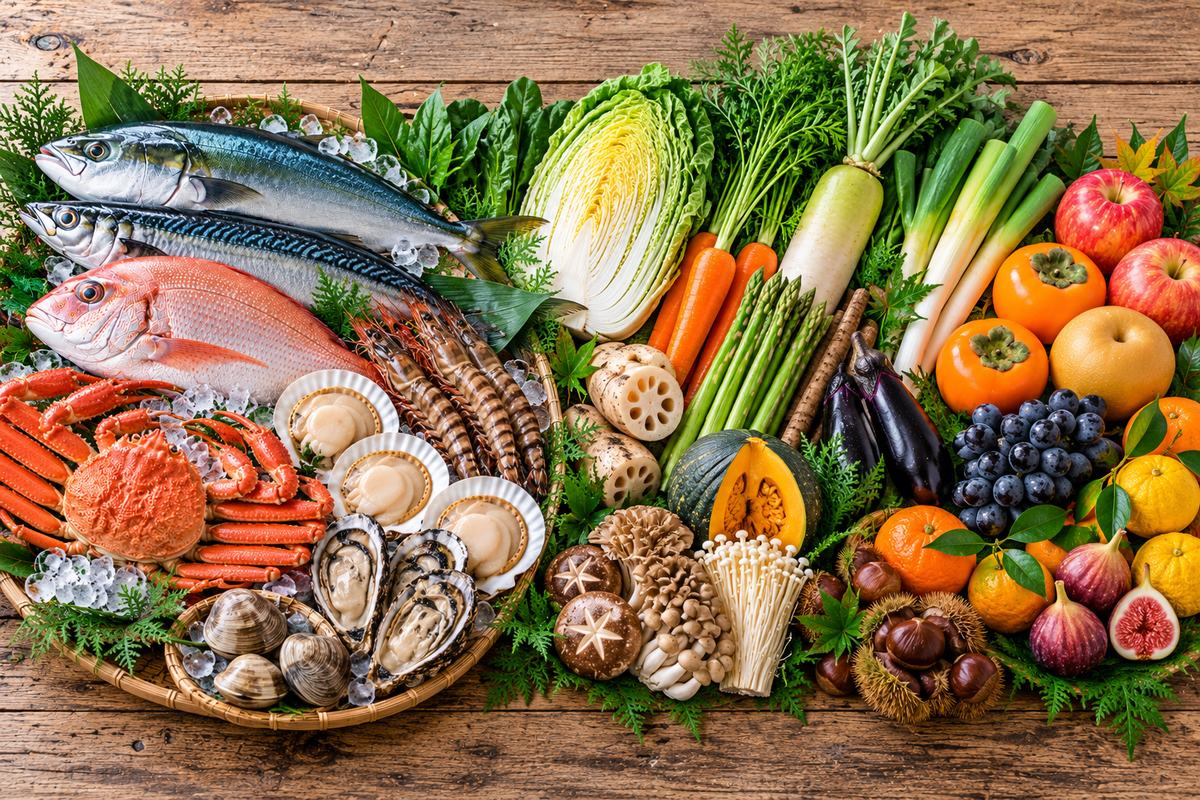
See what is in season at a glance: how to use Washokuzai Calendar
Washokuzai Calendar shows, month by month, when 250 Japanese ingredients (seafood, vegetables and fruit) are at their best and when they are in the market. It is available in Japanese, English, Thai, Traditional Chinese and Simplified Chinese. Here is what it does and how to use it.
 2026-11-09
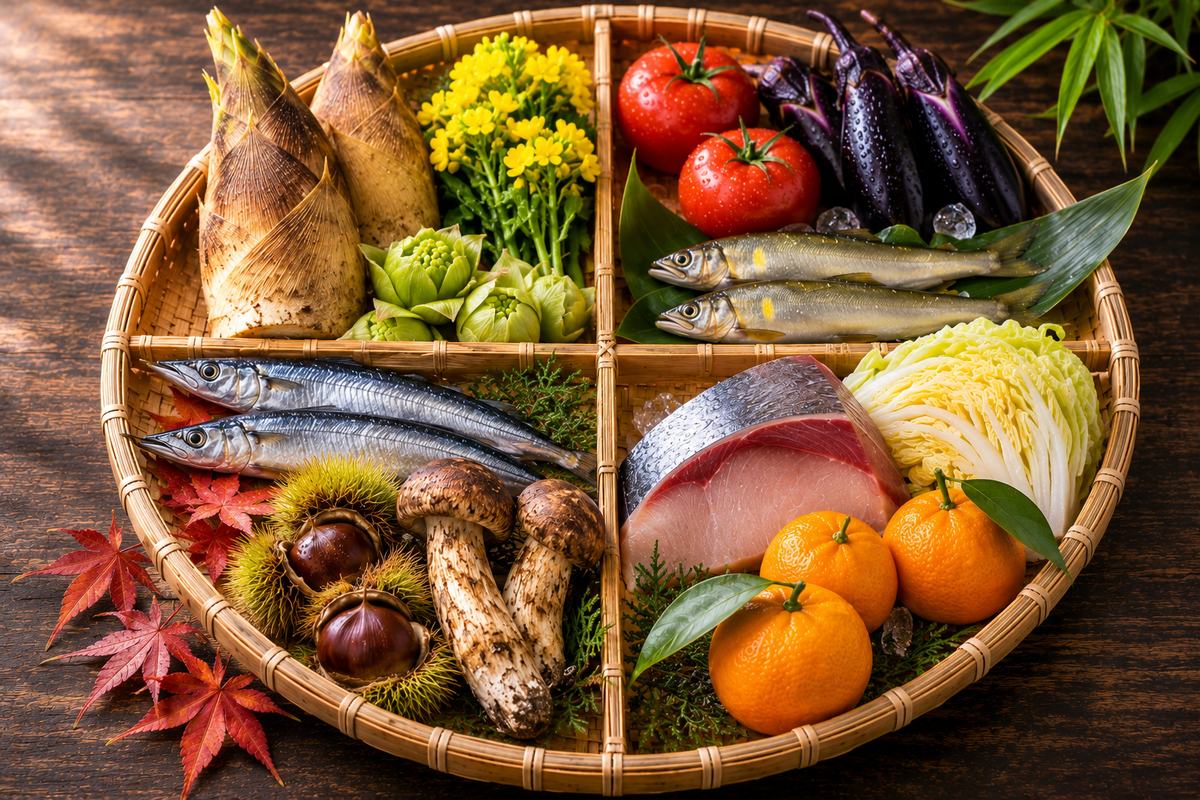
What Is Shun? Meaning, Origin, and Japanese Seasonal Foods by Season
Shun is the time of year when an ingredient tastes best and is most plentiful. Here is where the word comes from, why Japan cares so much about it, the classic foods of each season, and why choosing food in season pays off.
 2026-11-17
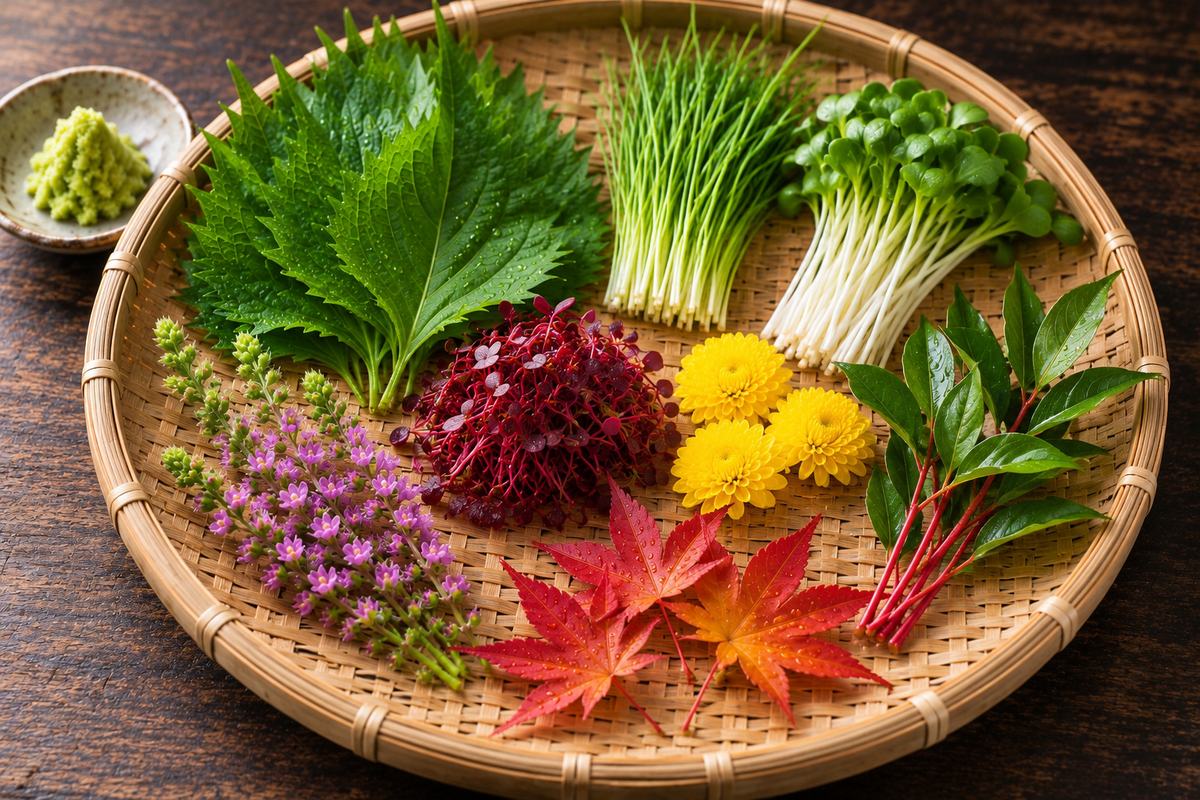
What are tsumamono? Japanese garnish vegetables, and the difference between ken, tsuma and karami
Tsumamono are the vegetables, leaves and flowers that garnish sashimi and Japanese dishes, adding colour and a sense of season. Here are the differences between ken, tsuma and karami, the main kinds, which ones are eaten and which are not, why they are available all year, and the regions behind them.
 2026-11-13
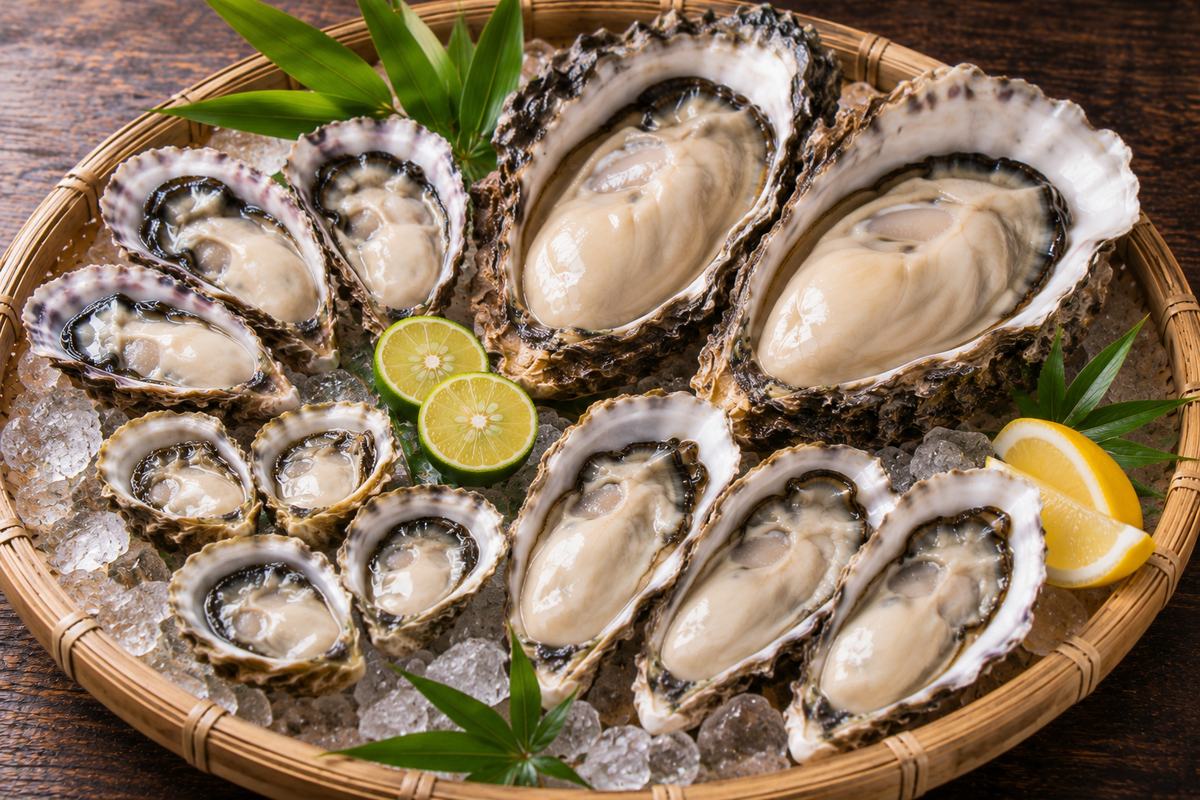
Japanese oyster brands and the Kaki-1 Grand Prix: food poisoning and eating too many
Japan has a great many oyster brands, one for almost every growing area, and since 2024 producers have competed on taste in the national Kaki-1 Grand Prix. Here are some of the main brands, how the competition works, what causes food poisoning from raw oysters and how to avoid it, and why too many oysters can mean too much zinc and purine.
 2026-11-12
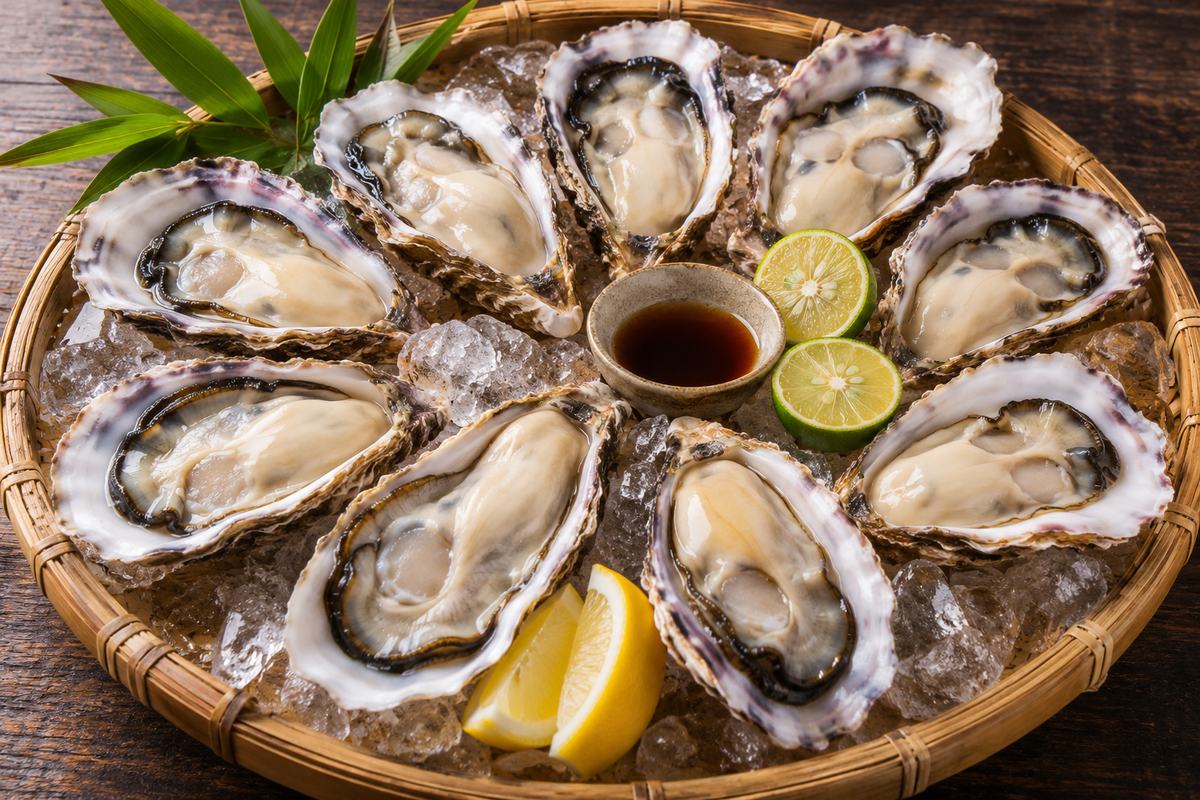
When are Japanese oysters in season? Pacific vs rock oysters, triploids, raw vs cooking grade
Pacific oysters are in season from November to February, rock oysters from June to August. Here is how the two differ, why triploid oysters stay plump in summer, what 'for raw' and 'for cooking' really mean, where Japan's oysters come from and how to judge quality.
 2026-11-04
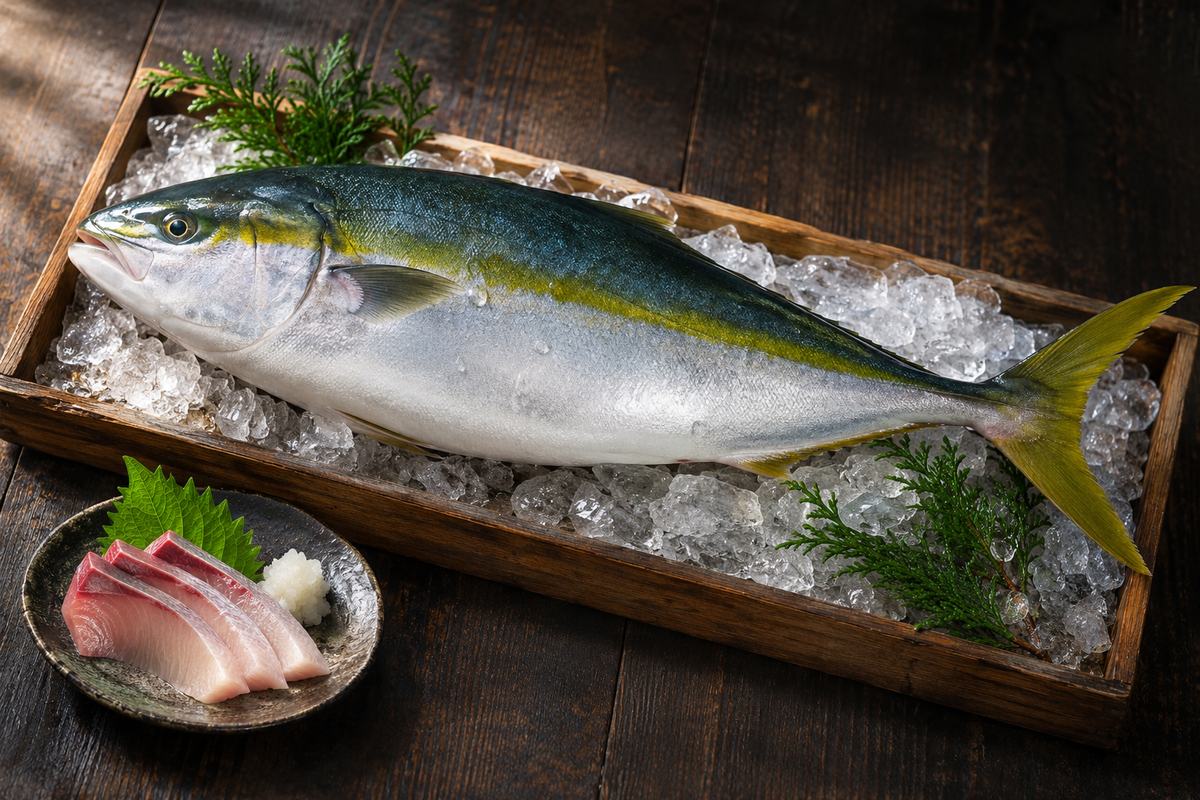
When is kanburi in season? Wild vs farmed, and judging quality
Kanburi, wild winter Japanese amberjack (buri), is at its best from December to February, when fish fattened in northern waters migrate south down the Sea of Japan to spawn and enter the set nets of Toyama Bay, Noto and Sado. This guide covers wild versus farmed, brand rules, judging quality, handling and export forms for people in the trade.
 2026-11-04
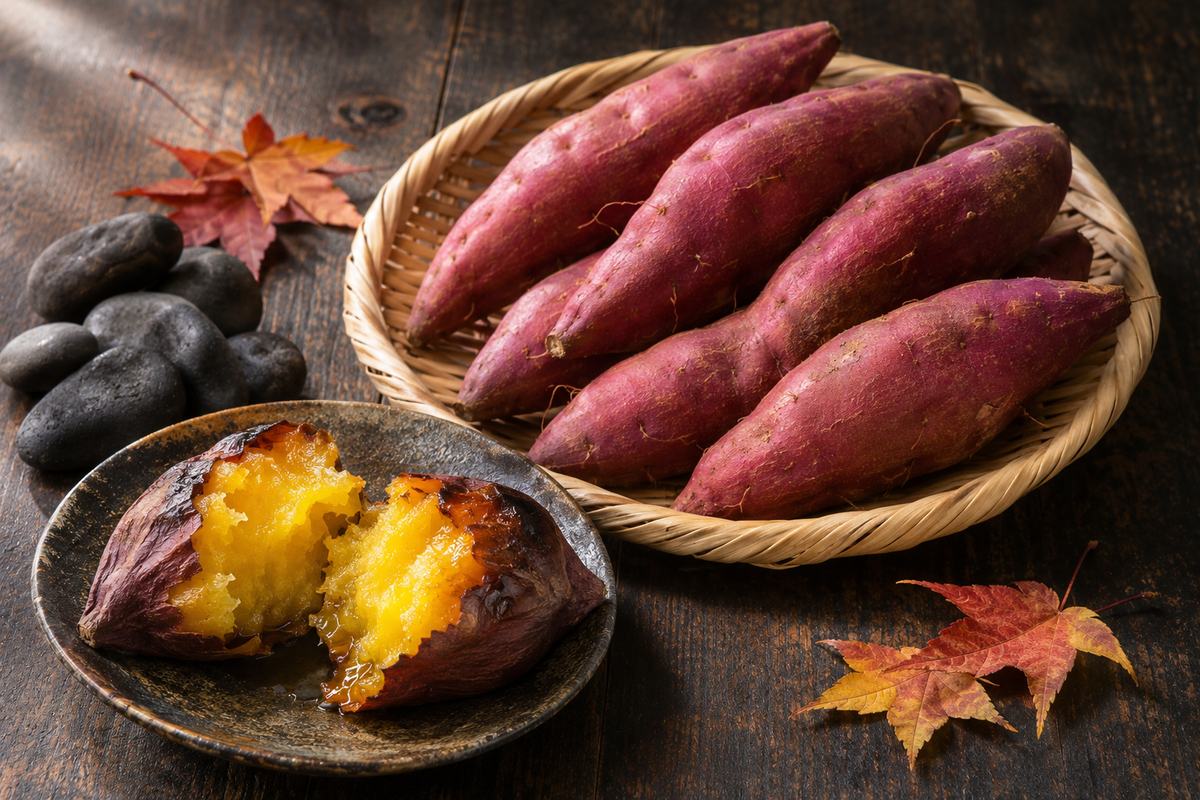
When are Japanese sweet potatoes in season? Varieties, curing and storage
Japanese sweet potatoes (satsumaimo) are at their best from October to February. They are harvested from late August to November, but taste sweeter after a period of storage than straight from the field. This guide covers varieties, curing and storage, growing regions and export for people in the trade.
 2026-11-04
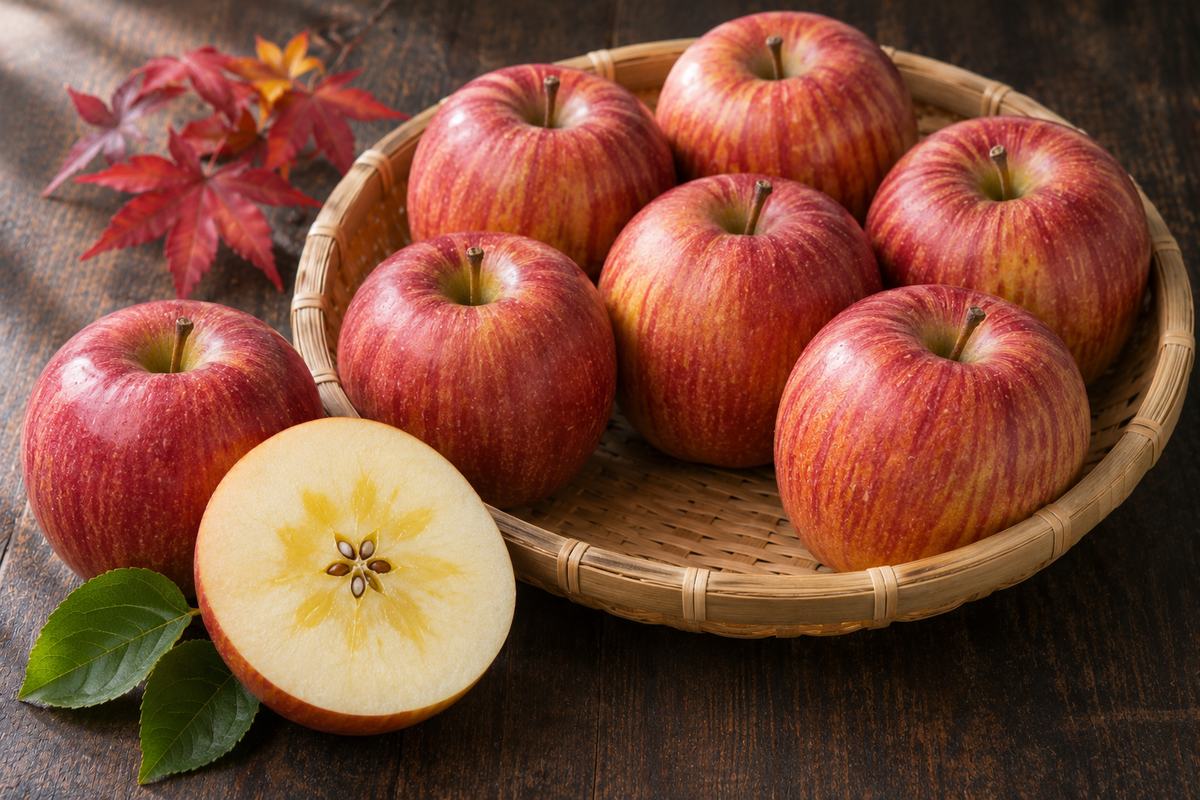
When are Japanese apples in season? Varieties, bagged vs unbagged, and CA storage
Japanese apples are in season from October to December. Harvest starts with Tsugaru in September, and the leading variety, Fuji, is picked in November. Thanks to CA storage, shipments continue until the following summer. This guide covers varieties, bagged and unbagged growing, honey cores, storage, choosing apples and export quarantine for people in the trade.
 2026-10-30
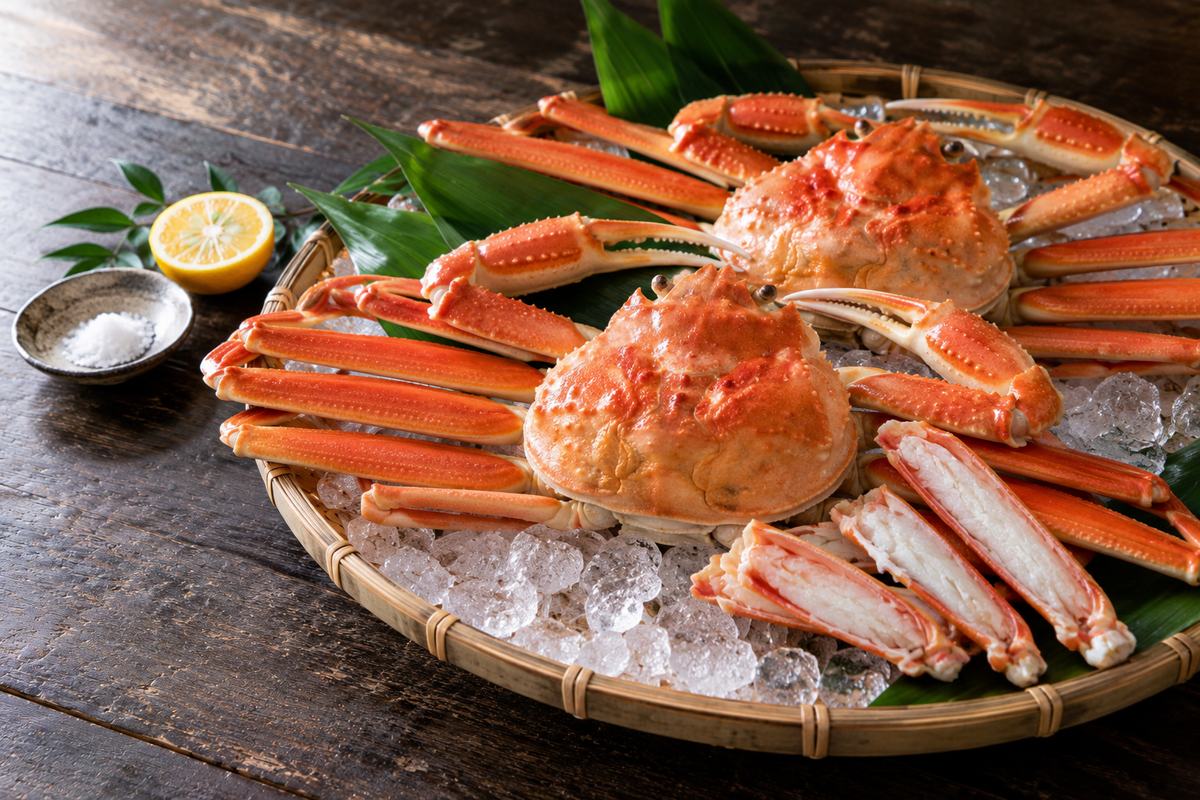
When does snow crab season open in Japan? 6 November (Friday) in 2026
Japan's snow crab (zuwaigani) season opens on 6 November every year, a Friday in 2026. On the Sea of Japan coast from Toyama westward, males may be landed until 20 March, females only until the end of December.
 2026-10-30
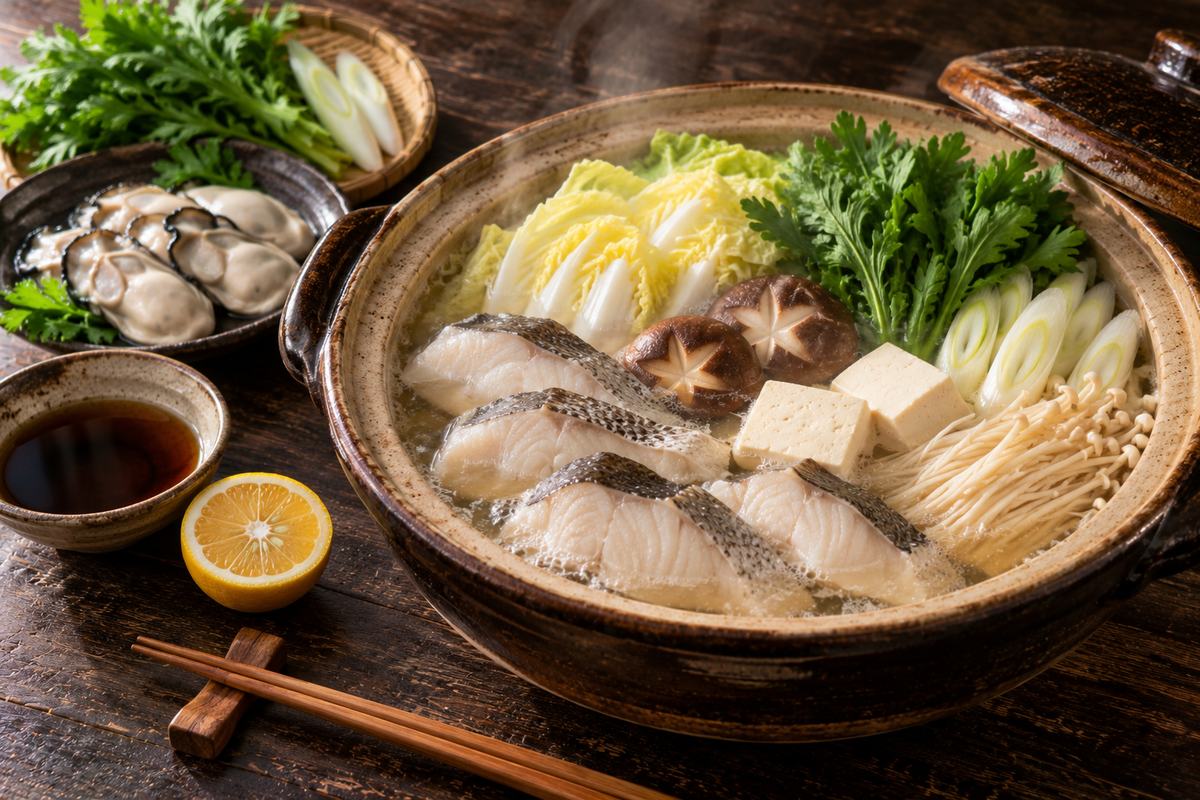
What goes in a Japanese hotpot? Choosing nabe by the season's fish and vegetables
Japanese hotpot (nabe) is at its best from November to February, when napa cabbage and leeks turn sweet and cod, oysters, yellowtail, monkfish and pufferfish are at their peak. Here is what to eat month by month, and the regional hotpots worth knowing.
 2026-10-30
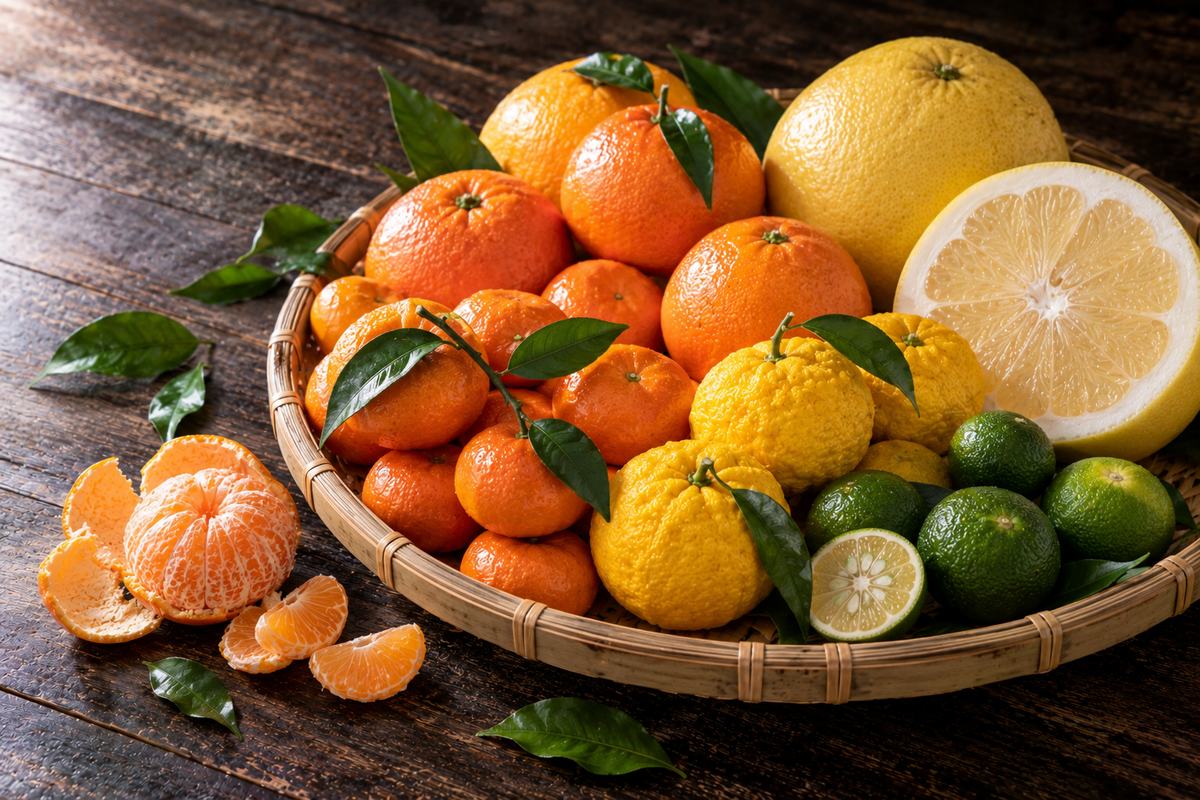
When are Japanese citrus fruits in season? From mikan in winter to summer citrus
Japanese mikan are at their best in November and December. After that come ponkan and iyokan in January and February, setoka in February and March, shiranui (dekopon), kiyomi, hassaku and buntan in March and April, amanatsu and hyuganatsu in April and May, and kawachi bankan into summer.
 2026-10-27
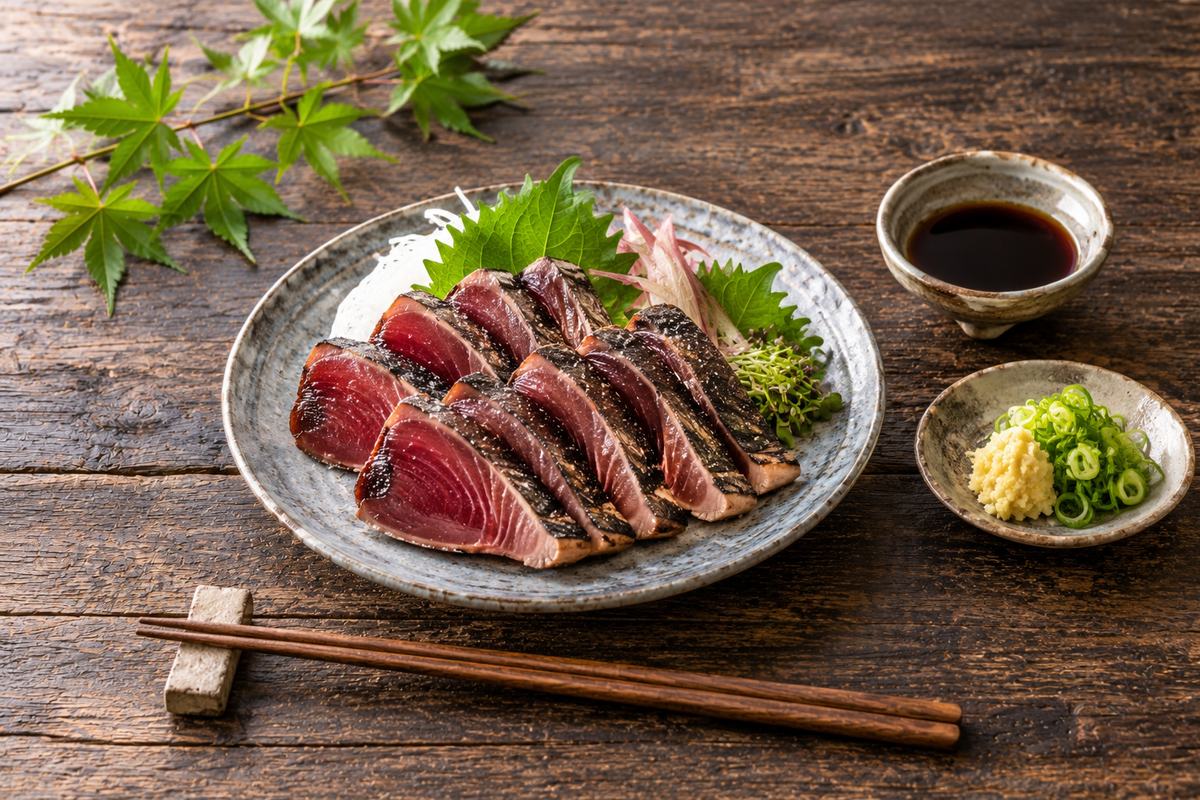
Hashiri, sakari, nagori — the three faces of a season
In Japan the same ingredient is treated as three different things: the first of the year, the height of the run, and the last of it. The price changes, and so does the taste.
 2026-10-27
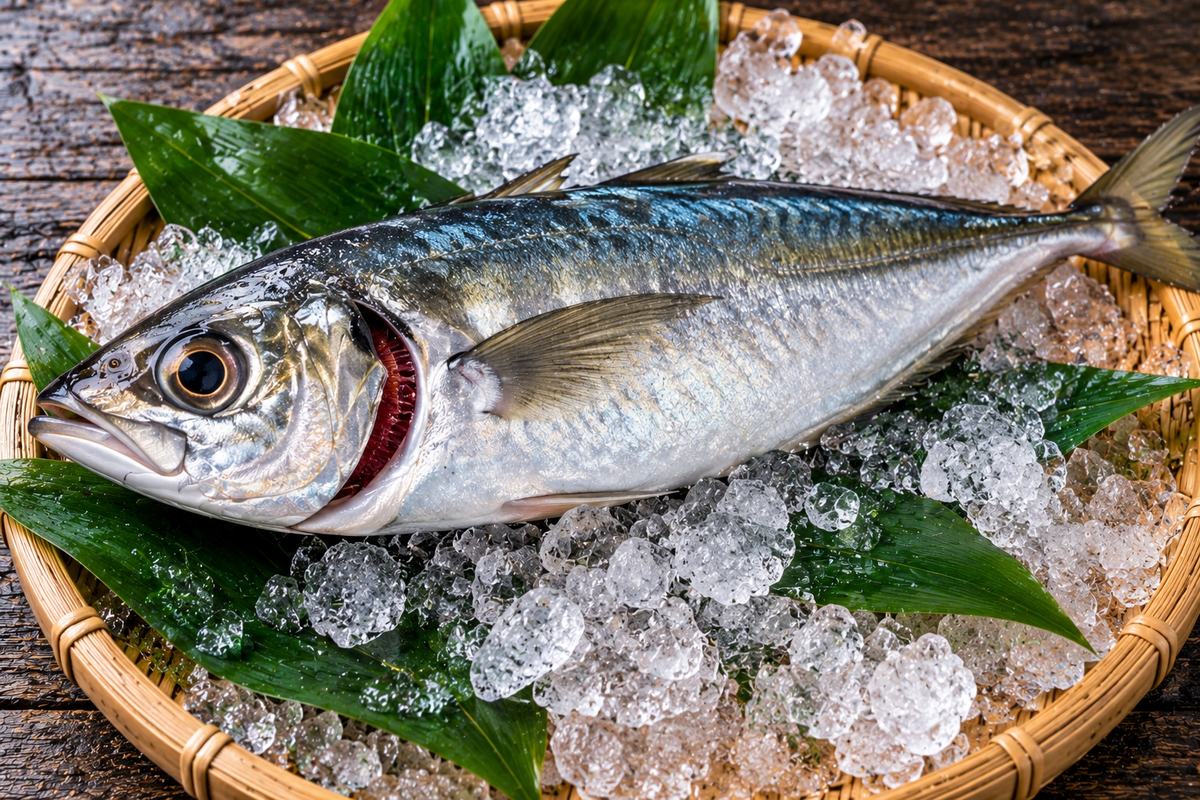
How to tell whether a fish is fresh
You rarely get long at the counter. Narrow it down to three places to look and the decision becomes easy.
 2026-10-27
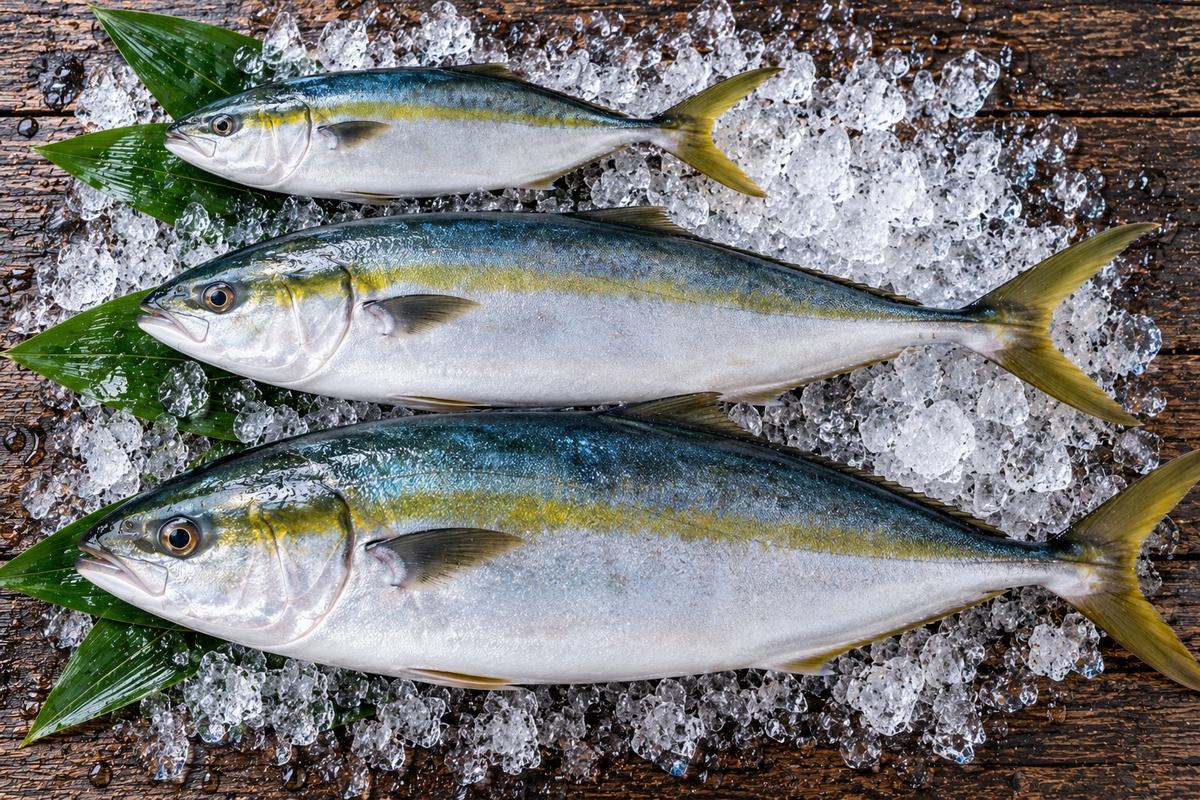
Shusse-uo — the fish that change their names
Some fish in Japan are called something different at each size. If you have heard two names at a market and wondered whether it was the same fish, it probably was.